
Thatched Cottage Insurance Claims: Common Reasons Insurers Refuse Payouts
Thatched cottage insurance claims are often larger and more complex than claims on standard homes, so insurers scrutinise them closely before paying out. When something goes wrong, small mistakes in disclosure, maintenance or paperwork can become big reasons for refusal.
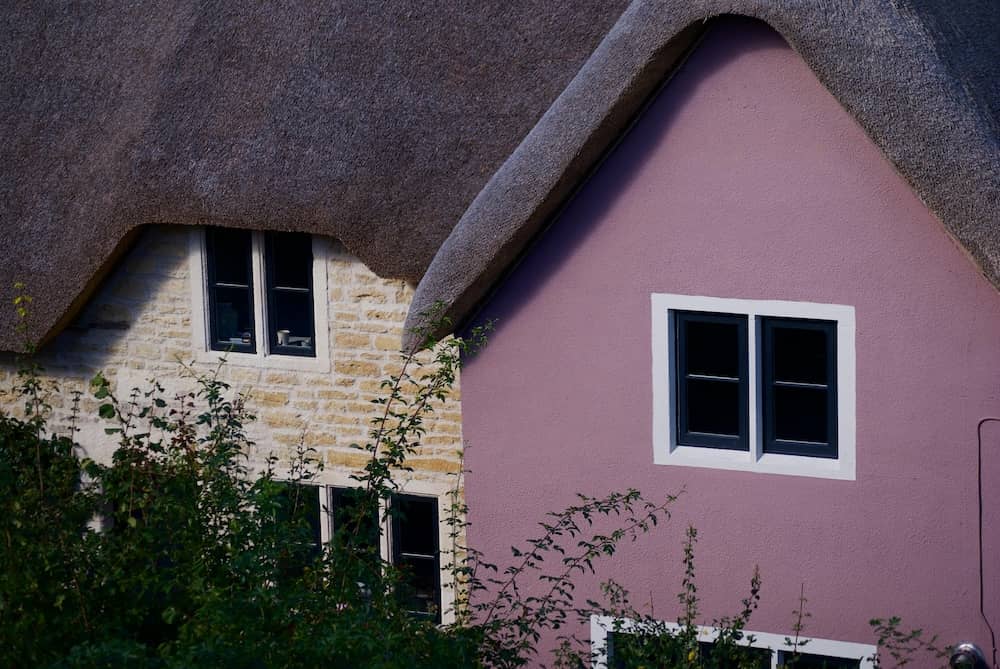
Thatched cottage insurance claims are often larger and more complex than claims on standard homes, so insurers scrutinise them closely before paying out. When something goes wrong, small mistakes in disclosure, maintenance or paperwork can become big reasons for refusal.
One of the most common reasons claims are refused is that the insurer discovers important facts after a loss that were not disclosed at the start of the policy or at renewal. Insurers expect you to tell them about anything that materially affects risk, especially with thatched properties.
Typical non‑disclosures include:
Undeclared woodburners or open fires: Installing a stove but not telling the insurer, or switching from gas/oil to solid fuel without updating them.
Changes to the roof: Re‑thatching, adding extra thatch, changing materials or delaying recommended work without disclosure.
Past claims and issues: Previous fire, water or subsidence problems not mentioned on the proposal.
If an insurer can argue that they would have declined, charged more, or imposed different terms if they had known the full facts, they may reduce or completely refuse a claim.
Many thatched cottage policies include strict conditions around chimneys, flues and stoves because these are high fire‑risk areas. When a claim involves fire, the insurer will often look closely at whether you kept to those rules.
Common breaches include:
Infrequent sweeping: Policies may require chimneys to be swept once or twice a year by a qualified sweep. If there is no recent certificate, this can become a problem.
DIY installation: Woodburners or liners fitted without using a competent installer, or no building‑control sign‑off where one is expected.
Using inappropriate fuel: Burning wet wood, treated timber or rubbish that overheats the flue and increases the chance of chimney fires.
If investigators can link the fire to soot build‑up, a poorly installed stove or misuse of the appliance, and policy conditions were clearly breached, the insurer has a strong basis for refusing the claim. For detailed requirements, see our guide on thatched roof chimney regulations and woodburner and chimney insurance rules.
Insurance is designed for sudden, unexpected events, not the gradual consequences of neglect. With thatched cottages, insurers expect a reasonable standard of ongoing care, especially for the roof and structure.
Typical maintenance‑related reasons for refusal include:
Neglected thatch: Severely worn, sagging, leaky or damaged roofs that have not been repaired or re‑ridged despite obvious deterioration.
Ignored reports: Surveyors, thatchers or electricians flagging issues (for example, unsafe wiring, failing chimneys) that are not acted on.
Long‑term damp and rot: Damage that has built up over months or years is usually classed as wear and tear or gradual deterioration, not an insured event.
Where a loss can reasonably be traced back to long‑standing, unresolved defects, insurers may argue that the damage was preventable and therefore not covered. Understanding how long a thatched roof lasts helps you plan maintenance schedules that prevent neglect issues.
Thatched properties often cost much more to rebuild than owners expect, because of specialist materials and labour. If the buildings sum insured is too low, underinsurance can bite hard at claim time.
This can lead to:
Average clause reductions: If you are insured for, say, half the true rebuild cost, the insurer may only pay half of any claim, even for partial damage.
Disputes over limits: If a fire or major incident pushes total costs above your sum insured, you personally carry the shortfall.
Refusal is more likely where the rebuild value declared was clearly unrealistic, or where evidence suggests the owner deliberately chose a very low figure to keep premiums down. Understanding thatched roof costs per square metre helps ensure your sum insured reflects true rebuild values.
Insurers rate a thatched cottage differently if it is used as a straightforward home versus a holiday let, Airbnb or business premises. If the property is being used in a way that does not match the policy description, claims can be refused.
Situations that cause problems include:
Undeclared holiday letting: Taking paying guests on a policy meant only for owner‑occupiers.
Airbnb or short‑term lets: Increased turnover of unknown guests and different risk profile compared with friends and family staying.
Business activities: Storing stock, seeing clients, or running a business that increases footfall or fire risk without declaring it.
If a fire or accident involves paying guests or business operations and the policy was never set up on that basis, the insurer may decline the claim on the grounds of misrepresentation. For commercial properties, see our guide on thatched commercial property insurance.
Thatched cottages are sometimes second homes or rural retreats that sit empty for stretches of time. Most policies have strict rules around how long a property can be unoccupied and what must be done if it exceeds that period.
Refusals often arise where:
The property was empty beyond the allowed period and no special terms were agreed.
Required measures (such as draining down water systems, turning off certain utilities, or regular inspections) were not followed.
A loss such as escape of water or vandalism occurs during an undeclared long vacancy.
Insurers argue that the risk during unoccupied periods is materially higher, and if you did not comply with the policy's unoccupancy conditions, they may decline to pay.
Renovations and repairs to thatched roofs, chimneys and structures are common, but if they are done badly, insurers may not cover the consequences. The usual split is between the defective work itself and the damage it causes.
Problems here include:
Unqualified contractors: Cheaper, non‑specialist work on thatch, chimneys or electrics that fails quickly or creates hazards.
Non‑compliance with regulations: Ignoring building regulations or manufacturer instructions for stoves, flues or structural changes.
Known defects left unresolved: Discovering faults during or after works and choosing not to fix them properly.
Many policies exclude defects and faulty workmanship, so if a fire or collapse is traced back to obviously substandard work, the insurer may only cover resulting damage, or potentially refuse entirely if key conditions were breached.
Although most owners are honest, insurers remain alert to fraud and exaggeration, particularly on high‑value thatched claims. Refusals in this category can be very serious, sometimes leading to policy cancellation and future difficulty obtaining cover.
Examples include:
Inflating values: Claiming for higher‑end materials or contents than were actually present.
Adding unrelated damage: Trying to include long‑standing issues or previously damaged items in a new claim.
Misstating events: Giving a version of how the incident happened that contradicts expert or fire‑service reports.
If an insurer can demonstrate deliberate dishonesty, they may refuse the entire claim and void the policy from inception.
The best time to protect a future claim is before you ever need it. For thatched cottage owners, that means:
Disclosing fully: Tell your insurer about woodburners, re‑thatching, major works, letting, business use, long absences and previous issues.
Keeping records: File sweep certificates, electrical reports, thatcher invoices and photos of ongoing maintenance.
Following conditions: Read and stick to requirements on chimneys, fuel, inspections, security and unoccupancy.
Reviewing sums insured: Use realistic, preferably professional, rebuild estimates and update them as costs change.
By treating your thatched cottage policy as a partnership rather than a tick‑box, you greatly reduce the chances of a nasty surprise when you need to make a claim. Insurers are far more likely to pay promptly and fully when they can see that you have been open, diligent and compliant from the start. Understanding what thatched roof insurance covers and excludes helps you know what to expect, and our guide on ways to reduce thatched cottage insurance costs provides practical steps to improve your risk profile and maintain good standing with insurers.
Get a thatched roof insurance quote
For specialist thatched roof insurance and cover options, see our main page.
Get a thatched roof insurance quote