
What Does Thatched Roof Insurance Actually Cover (and Exclude)?
Thatched roof insurance usually covers the same core risks as standard home insurance, but with extra conditions, higher scrutiny and some very specific exclusions. The key differences are around fire, rebuilding a non‑standard property and how carefully you maintain and disclose information about your thatched home.
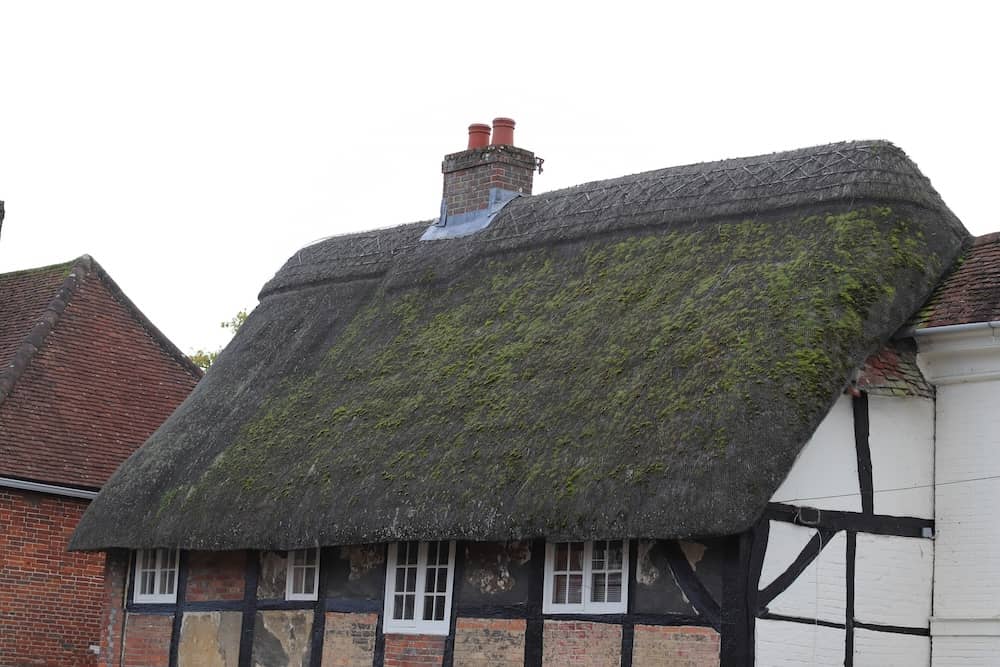
Thatched roof insurance usually covers the same core risks as standard home insurance, but with extra conditions, higher scrutiny and some very specific exclusions. The key differences are around fire, rebuilding a non‑standard property and how carefully you maintain and disclose information about your thatched home.
Buildings insurance for a thatched property is designed to pay for repairing or rebuilding the structure if it is damaged by an insured event. In most policies this typically includes:
Fire, lightning and explosion: The central risk for thatched homes, including partial and total‑loss fires to the roof and structure.
Storm, flood and escape of water: Damage from severe weather, burst pipes and leaks, although individual limits and conditions will apply.
Subsidence, landslip and heave: Ground movement affecting the foundations and walls, where included in the wording.
Impact and accidental events: Damage from vehicles, falling trees or aerials, depending on your cover level.
Policies almost always include the cost of demolition, site clearance, professional fees (architects, surveyors) and rebuilding to a similar standard, which is particularly important for listed or heritage‑style thatched cottages where specialist trades are involved.
Where you add contents cover, thatched home insurance will usually protect your belongings against broadly the same risks as the building. This generally includes:
Household contents: Furniture, appliances, clothing and general possessions inside the home.
Theft and attempted theft: Stolen or damaged belongings after a break‑in, subject to security conditions.
Escape of water and other insured perils: Items damaged by burst pipes, storms and similar events.
There may be extra options for high‑value items such as jewellery, art or antiques, which are common in some older cottages. These often come with specific single‑item limits, valuation requirements and security expectations (for example, safes or approved locks).
Because a serious thatch fire or major structural incident can make a property uninhabitable for a long time, good thatched roof policies usually include:
Alternative accommodation: Paying for you to live elsewhere while your home is repaired or rebuilt, sometimes for an extended period due to long rebuild times.
Rent or loss of rent: If the property is let out, cover can include loss of rental income while it cannot be used.
Outbuildings and garden structures: Garages, sheds and sometimes walls, gates or fences, usually within certain limits.
The higher complexity and duration of thatched rebuilds make these elements particularly important to check, as lower limits can leave you out of pocket if a major claim occurs. Understanding thatched roof costs per square metre helps explain why rebuild times and costs are higher for thatched properties.
Alongside standard market exclusions (for example wear and tear), thatched roof insurance introduces or emphasises several specific exclusions. These often include:
Poor maintenance: Damage resulting from neglect, long‑term deterioration or failure to keep the roof, chimneys and structure in reasonable repair.
Non‑disclosure or misrepresentation: Failing to tell the insurer about woodburners, flue changes, re‑thatching, previous claims or other material facts.
Defective workmanship: Loss caused directly by poor building work, such as badly installed stoves or flues, may be excluded, though resultant damage might still be considered depending on the wording.
Gradual damage: Slow leaks, rot and infestations that develop over time are generally excluded, especially if routine checks would have identified them.
Exclusions around wear and tear, corrosion, frost damage to certain parts of the building and purely cosmetic damage (such as minor marks or discoloration) are also common. Understanding these helps avoid unrealistic expectations at claim time.
Many thatched policies treat fire risk as a separate, heavily conditioned area of cover rather than a simple yes/no. Fire is usually covered, but often subject to:
Chimney sweeping requirements: A minimum number of sweeps per year, carried out by a recognised professional, with certificates kept as proof.
Approved stove and flue installation: Conditions that stoves are professionally fitted, flues are correctly lined, and building regulations are followed.
Fuel restrictions: Requirements to burn only suitable, seasoned fuel and not use inappropriate materials that can overheat or damage the flue.
If a major fire occurs and investigations show that these conditions were not met, the insurer may reduce or refuse a claim, even though "fire" is a listed peril. For thatched homeowners, these rules are arguably as important as the headline cover itself. For detailed requirements, see our guide on thatched roof chimney regulations and woodburner and chimney insurance rules.
How you use the property can also affect what is included or excluded, especially for:
Holiday lets and Airbnb: Standard residential policies may exclude or limit cover if paying guests use the property unless you have the correct holiday‑let or commercial wording.
Long unoccupancy: Being away for extended periods can trigger special terms, such as draining down water systems and increased security requirements.
Business use: Running certain types of business from home, or storing business stock, might not be covered unless declared and accepted.
Policies usually define "unoccupied" and set out what happens if that threshold is exceeded. If you plan to change how the cottage is used, it is critical to inform the insurer so cover can be adjusted rather than quietly invalidated. For commercial properties, see our guide on thatched commercial property insurance.
Many thatched home policies can be enhanced with add‑ons that broaden what is covered. Depending on the insurer, these may include:
Accidental damage: Extra protection for unintentional damage to the building or contents, often useful in busy households or where you host guests.
Home emergency: Call‑out costs for urgent issues such as heating failure, plumbing emergencies or security problems.
Legal expenses: Help with legal costs around property disputes, neighbour issues or certain personal matters.
These extras are not always included as standard, so they should be seen as deliberate choices rather than assumptions. Checking the small print ensures you know whether you are buying a bare‑bones policy or something closer to "fully loaded" cover.
Because thatched properties are non‑standard, assumptions from a normal home policy do not always hold. Before relying on your cover, it is worth:
Reading the schedule: Confirming your sums insured, any special endorsements and the exact perils listed.
Reviewing conditions and warranties: Looking for clauses about chimneys, woodburners, inspections and maintenance.
Clarifying grey areas: Asking the insurer or broker to confirm how the policy treats things like holiday letting, long absences or planned renovations.
Understanding both what is covered and what is excluded or conditional lets you manage the property and its maintenance in a way that keeps your insurance effective. For thatched homes, the combination of robust cover and disciplined compliance is what really protects you when a major loss occurs. Understanding why thatched cottage insurance is expensive helps explain the underlying risk factors, and our guide on what insurers look for regarding fire risk provides insight into how coverage decisions are made.
Get a thatched roof insurance quote
For specialist thatched roof insurance and cover options, see our main page.
Get a thatched roof insurance quote