
Woodburners, Chimneys and Thatched Roofs: Insurance Rules Homeowners Can't Ignore
Woodburners, chimneys and thatched roofs are a combination insurers scrutinise more closely than almost any other feature in a thatched cottage. Insurers know that many thatch fires start around flues and solid‑fuel stoves, so they set strict rules that directly affect whether you can get cover, keep it, and have a claim paid if something goes wrong.
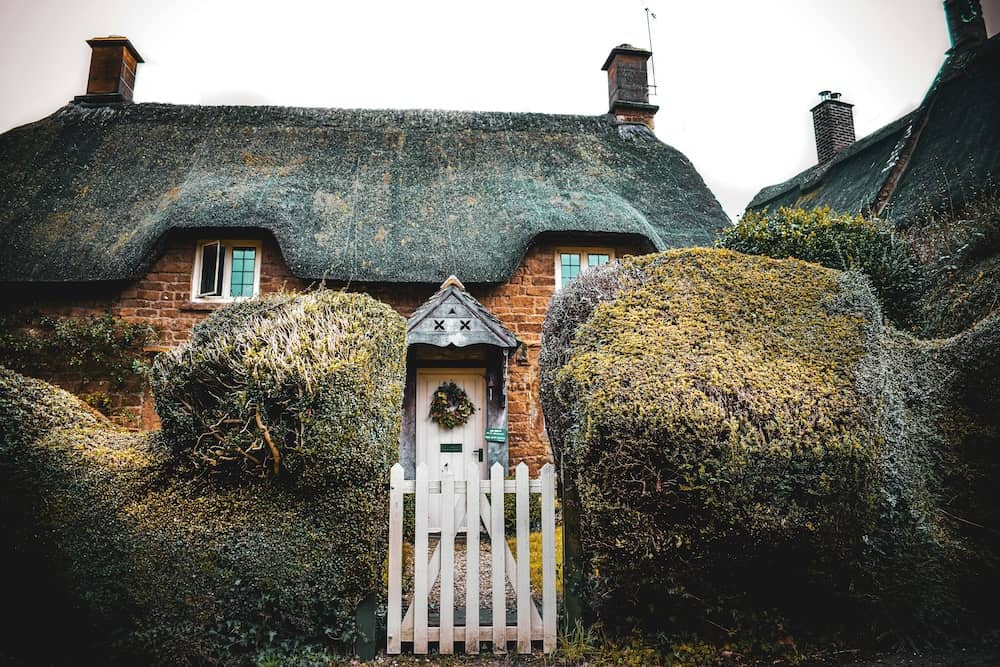
Woodburners, chimneys and thatched roofs are a combination insurers scrutinise more closely than almost any other feature in a thatched cottage. Insurers know that many thatch fires start around flues and solid‑fuel stoves, so they set strict rules that directly affect whether you can get cover, keep it, and have a claim paid if something goes wrong.
From an underwriting perspective, a woodburner or open fire under a thatched roof is a concentrated ignition source directly beneath a highly combustible material. Hot flue gases, stray embers and chimney defects can all ignite the thatch, leading to fast‑spreading roof fires and very expensive total‑loss claims. Insurers therefore treat the design, installation and maintenance of your stove and chimney as core rating factors, not minor details.
Most specialist thatched policies either apply specific conditions around chimneys and stoves or ask detailed questions about them at quote and renewal. If the answers are unsatisfactory, they may increase the premium, apply higher excesses, exclude certain risks or refuse to offer cover at all.
One of the first "rules" many insurers care about is that any woodburner or solid‑fuel appliance must be professionally installed to recognised standards. They want to see:
A competent installer: Often HETAS‑registered or equivalent, not DIY or unqualified trades.
Compliance with building regulations: Correct flue diameter, appropriate materials, and proper clearances to combustibles.
Correct appliance choice: A stove appropriately sized for the room and flue, not an over‑powered unit that overheats the chimney.
Homeowners are frequently required to declare any solid‑fuel appliances and may be asked for installation certificates or documentation. If an insurer discovers that a stove was installed without notifying Building Control or using a competent person scheme, they can treat that as a material non‑disclosure or increased hazard, which may affect cover at claim time.
Flue design is another critical area where insurers impose rules. For a thatched property, they generally expect:
A properly lined flue: Modern, continuous liners that reduce heat transfer to the chimney structure and help control temperatures.
Adequate clearance between flue and thatch: The terminal of the flue should sit far enough above the thatch and be designed to minimise spark and ember discharge.
Approved cowl or terminal: Many insurers dislike certain spark‑producing cowls or unguarded terminals that can allow embers to escape.
If the flue exits near or within the thatched area, insurers may insist on specific construction details (for example particular liners, insulation or separation from combustible materials) as a condition of cover. They may also ask for photographs or surveyor notes confirming that these standards are met. For detailed requirements, see our guide on thatched roof chimney regulations.
A structurally sound chimney is not just a building‑control issue; it is an underwriting concern. Insurers commonly focus on:
Height and termination: Chimneys usually need to rise sufficiently above the thatch to disperse hot gases and reduce spark contact.
Structural integrity: Cracked, leaning or poorly jointed stacks can create pathways for heat and flames into the roof space.
Mortar and brickwork condition: Gaps, missing pointing and loose bricks all suggest higher risk and inadequate maintenance.
Some insurers insist that chimneys in thatched houses are inspected to a certain standard before they will offer cover, especially if a new stove is installed or the property has changed hands. A poor report may come with remedial requirements you must complete within a set timeframe to keep cover valid.
Regular sweeping is one of the most visible fire‑prevention behaviours, so insurers often hard‑wire it into policy conditions. Typical expectations include:
Sweep frequency: At least once a year for occasional use, and more often (for example, twice a year) for heavy, winter‑long burning.
Qualified sweep: Use of a recognised, insured professional rather than informal DIY sweeping.
Written evidence: Certificates or receipts from the sweep should be retained and may be requested after a claim.
Policies sometimes state that failure to maintain the chimney or to keep adequate records could prejudice a claim if a fire is traced back to soot build‑up or a blocked flue. Practically, this means you should treat sweep certificates as insurance documents, not just housekeeping paperwork.
Insurers not only care about the hardware but also about how you use it day to day. Policy wording and proposal forms may ask about:
Type of fuel: Many specify seasoned wood only and discourage or prohibit burning treated timber, coal substitutes or rubbish that can overheat flues or produce excessive sparks.
Frequency of use: Occasional decorative use presents a different risk profile from daily winter heating; some insurers rate accordingly.
Supervision: Leaving stoves or open fires unattended for long periods, or "banking up" fuel overnight, is often discouraged and may be cited in risk‑management advice.
Some insurers also provide guidance about using spark guards, keeping combustible furniture or kindling away from the stove, and ensuring children and guests understand basic safety rules. While these points are not always strict conditions, following them helps demonstrate responsible use if underwriting queries arise.
Where woodburners and chimneys sit under thatch, insurers look favourably on additional protective measures around the roof structure. Common examples include:
Fire‑resistant barrier systems beneath the thatch, such as specialised boards or membranes designed to slow fire penetration.
Heat and smoke detection in loft or roof spaces, interlinked with alarms elsewhere in the property for early warning.
Accessible fire‑fighting equipment, such as appropriate extinguishers and, in some cases, external hydrant or water‑supply arrangements agreed with local fire services.
These measures do not remove the need for careful stove and chimney management, but they can help underwriters feel more comfortable accepting a thatched risk, and in some cases may support better pricing than an unprotected equivalent. Understanding what insurers look for regarding fire risk helps explain why these protective measures matter.
One of the most important insurance rules is disclosure. Installing, altering or removing a woodburner or changing how a chimney is used is almost always considered a "material change" that must be reported to your insurer. Key triggers include:
Installing a new stove or changing from open fire to woodburner (or vice versa).
Relining a flue, adding a new cowl, or significantly altering chimney structure.
Changing the primary heating method of the home (for example from oil or gas to solid fuel).
Failing to tell your insurer about these changes can give them grounds to avoid a claim or cancel the policy if a fire occurs and is linked to the undisclosed appliance or alteration. The safest practice is to speak to your insurer or broker before works start, provide details of the planned installation, and send copies of completion certificates once the job is finished.
While wordings vary, many thatched‑home policies include some combination of the following conditions around woodburners and chimneys:
Chimneys to be swept at specified intervals by a qualified professional and evidence retained.
Use of only approved fuels and prohibition of burning certain materials.
Requirement to maintain stoves, flues and chimneys in sound condition and to remedy known defects without delay.
Obligation to comply with relevant building regulations and manufacturer instructions for appliances and flues.
Duty to notify the insurer of any changes to heating systems or chimney use.
Breaching these conditions does not automatically invalidate every claim, but if a fire can be linked to a known breach, you give the insurer a strong argument for reducing or refusing payment.
To stay on the right side of insurance rules and genuinely lower fire risk in a thatched property with a woodburner or open fire, homeowners can:
Have stoves installed and signed off by a qualified, recognised installer, and keep all paperwork.
Ensure chimneys are lined where appropriate, structurally sound and swept at insurer‑recommended intervals.
Use only suitable, seasoned fuel and operate appliances within manufacturer guidelines.
Add roof‑side protections such as fire‑resistant barriers and interlinked alarms where feasible.
Notify insurers before making changes to heating systems, chimneys or flues, and follow any conditions they attach to cover.
Approaching your stove, chimney and thatched roof as an integrated fire‑risk system – and documenting how you manage it – not only protects your home but also makes it far easier to secure and maintain high‑quality insurance on fair terms. Understanding why thatched cottage insurance is expensive helps explain the underlying risk factors, and our guide on ways to reduce thatched cottage insurance costs provides practical steps you can take to improve your risk profile and secure better terms.
Get a thatched roof insurance quote
For specialist thatched roof insurance and cover options, see our main page.
Get a thatched roof insurance quote