
7 Proven Ways to Reduce the Cost of Insuring a Thatched Cottage
Reducing the cost of insuring a thatched cottage in 2026 is mainly about proving to insurers that your home is well maintained, low risk and accurately insured, rather than simply hunting for the cheapest quote.
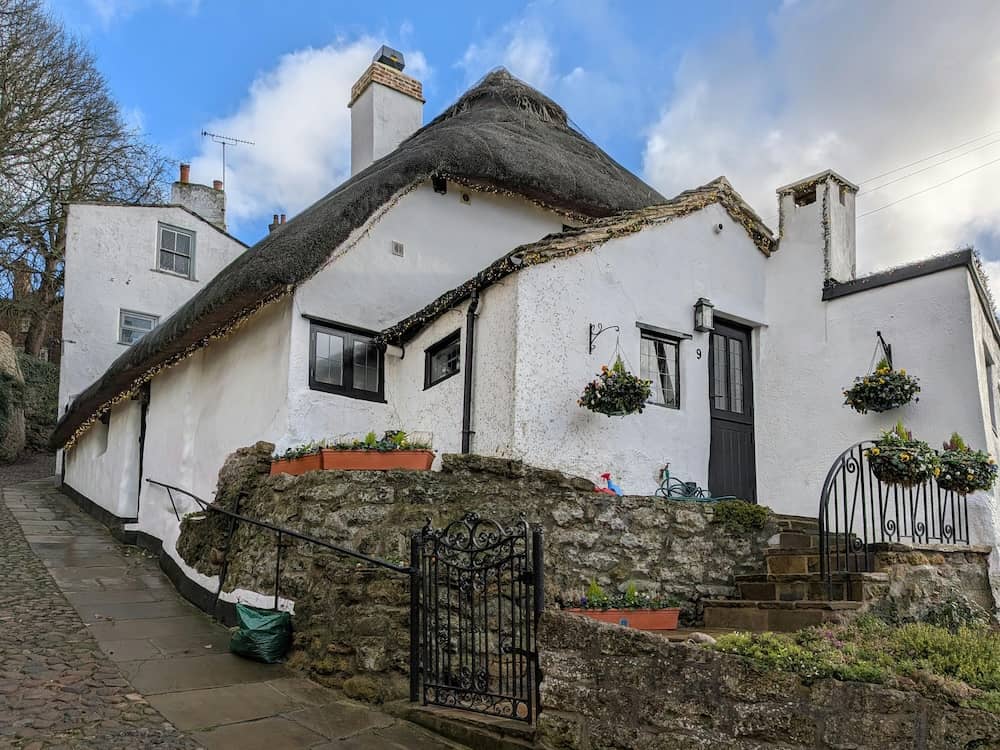
Reducing the cost of insuring a thatched cottage in 2026 is mainly about proving to insurers that your home is well maintained, low risk and accurately insured, rather than simply hunting for the cheapest quote. Specialist providers consistently highlight fire safety, correct rebuild values and good maintenance as the big levers you can control.
Fire risk is the single biggest driver of higher thatched premiums, so anything that genuinely reduces that risk can help you negotiate better terms. Specialist guides emphasise measures like fire‑retardant spray on the thatch, fire‑resistant barriers under the roof, and heat or smoke detectors in loft spaces.
Install interlinked smoke detectors on each floor and in key rooms so fires are detected early.
Consider a fire‑resistant barrier system or board beneath the thatch when re‑roofing or renovating to slow fire spread.
Not every insurer will apply an immediate discount, but many say they look more favourably on well‑protected properties, which can improve both price and willingness to quote.
Many thatch fires start around chimneys and stoves, so insurers pay close attention to how these are installed and maintained. Poorly lined flues, infrequent sweeping and DIY stove installs are all red flags that can push premiums up or lead to cover refusals.
Have chimneys swept regularly by a qualified sweep and keep written receipts as evidence for insurers.
Ensure flues are properly lined, woodburners are professionally installed and any recommended distances from thatch are met.
Some insurers and brokers explicitly list regular chimney and wiring checks as ways to keep premiums down, because they reduce the likelihood of a large fire claim. For detailed requirements, see our guide on thatched roof chimney regulations.
A neglected roof signals higher risk and potential for expensive weather‑related claims, so regular inspection and maintenance can support a lower premium. Advice for thatched owners is clear that insurers expect evidence that the roof is sound and maintained by competent thatchers.
Schedule periodic roof inspections by a specialist thatcher and store photos plus reports in case an underwriter asks for them.
Deal with moss, bird damage and obvious wear promptly so small issues do not become major failures or leaks.
Well‑documented maintenance also helps at renewal or if you want to move to a new insurer, because you can present a track record of responsible ownership. Understanding how long a thatched roof lasts helps you plan maintenance schedules that keep your roof in good condition.
Insuring a thatched cottage on a guesswork rebuild figure can leave you both exposed and overpaying. Thatch specialists strongly recommend getting a professional rebuild cost assessment every few years so your buildings sum insured is realistic.
Under‑insuring can trigger "average" clauses, which reduce claim payouts in proportion to how short you are on cover.
Over‑insuring means you are paying a higher premium for a sum that will never actually be paid out because insurers only cover the true rebuild value.
By aligning your sum insured to a professional estimate, you avoid both pitfalls and give underwriters confidence, which can help with pricing and acceptance. Understanding thatched roof costs per square metre helps ensure your sum insured reflects true rebuild values.
There are a few simple policy‑level tweaks that can make a noticeable difference to the cost of your thatched insurance. General home‑insurance guides note that paying annually instead of monthly and choosing a higher voluntary excess are two straightforward ways to trim the premium.
If affordable, pay in one annual lump sum to avoid interest and credit charges added to monthly payments.
Consider a higher voluntary excess you would genuinely be comfortable paying in a claim, which usually brings down the headline premium.
Strengthening security with good locks, alarms and possibly CCTV can also help with overall risk profile and, in some cases, unlock small discounts or improved terms.
Most mainstream insurers will not cover thatched properties, which means you rely on a smaller panel of specialist providers and brokers who manually underwrite. How you present your cottage's risk can influence whether you get a competitive quote or a nervous decline.
Prepare a simple "risk pack" with recent photos, maintenance records, chimney‑sweep certificates, electrical reports and any fire‑safety upgrades.
Use brokers who actively deal with thatched homes; they know what underwriters want to see and can position your property in the best possible light.
Because each thatched cottage is unique, underwriters rely heavily on this information; making their job easier can translate into sharper pricing and better cover. If you own a listed property, our Grade II thatched cottage insurance checklist provides guidance on preparing documentation that helps secure better terms.
Even within the specialist market, prices and appetites change, so it pays to compare quotes rather than auto‑renew every year. Comparison and advice sites point out that shopping around and approaching multiple suitable markets is one of the simplest ways to avoid overpaying.
Start gathering quotes several weeks before renewal so brokers and insurers have time to review your documents and ask follow‑up questions.
Make sure each provider is quoting on similar cover levels, sums insured and excesses so you are not tricked into false savings by stripped‑back cover.
Combined with strong fire safety, accurate rebuild values and good maintenance records, smart shopping can bring a noticeable reduction in the cost of insuring your thatched cottage without sacrificing essential protection. Understanding why thatched cottage insurance is expensive helps explain the underlying cost drivers and what you can do to manage them.
Get a thatched roof insurance quote
For specialist thatched roof insurance and cover options, see our main page.
Get a thatched roof insurance quote