
Grade II Thatched Cottage Insurance: Checklist Before You Get a Quote
Grade II listed thatched cottage insurance checklist. Expert guide to getting specialist cover for listed properties. Prepare the right documents and information to secure better terms. Get your quote today.
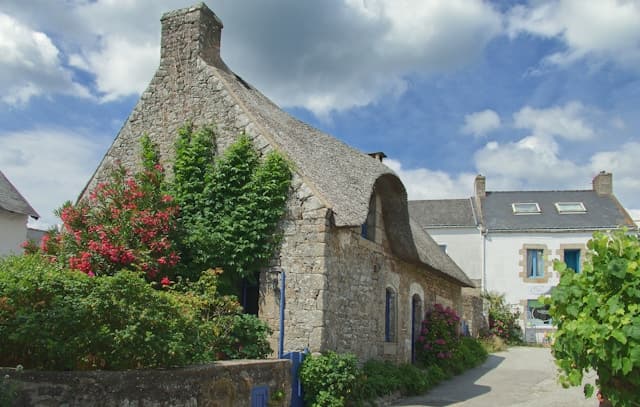
Grade II thatched cottage insurance needs more preparation than a standard home policy because insurers treat listed, thatched properties as complex, higher‑value risks that must be rebuilt sympathetically if there is a claim. A simple comparison‑site style quote often misses key details, so going through a structured checklist first usually leads to better cover and fewer surprises later.
Before you ask for quotes, pin down exactly what you are insuring. Check whether the property is Grade II or Grade II* and whether the listing covers the whole building or just parts of it. Note wall construction (stone, brick, cob, timber frame), number of storeys, and any non‑standard elements such as thatched porches or outbuildings. Record roof details: type of thatch (water reed, combed wheat, long straw), approximate thickness, age of the current coat and the date of the last re‑thatch or major repair.
Fire risk is one of the biggest rating factors for Grade II thatched cottages. List all heating sources: wood‑burners, multi‑fuel stoves, open fires, oil or gas boilers, electric heating, Aga/range cookers. Note how often solid‑fuel appliances are used and keep details of installation (for example, HETAS certificate, date fitted, model). Check chimney construction, lining and distance from the thatch, and collect any chimney or flue inspection reports you have. For detailed requirements, see our guide on thatched roof chimney regulations.
Insurers will want evidence that you manage chimney risks properly. Make sure you know how often the chimney is swept (for each flue) and who does it – ideally a recognised professional rather than DIY. Keep recent sweep certificates or invoices; if you do not have them, arrange a sweep before approaching the market. Note any remedial work already completed, such as new liners, pots, cowls or spark arrestors, as these can improve how underwriters view the risk.
Older Grade II cottages can hide dated electrics, which insurers see as a potential ignition source. Find the date of the last full Electrical Installation Condition Report (EICR) and whether all recommended remedial works were completed. Note the approximate age of the wiring and consumer unit, and whether any re‑wiring has been done in the last 10–15 years. If the electrics are old or untested, consider commissioning an EICR before you seek quotes, as a clean report often reassures underwriters.
Underinsurance is common with listed thatched cottages because rebuild costs are often far higher than the property's market value. Do not guess the buildings sum insured; use either a professional rebuild cost assessment or a survey from someone experienced with listed and thatched properties. Understanding thatched roof costs per square metre will help you appreciate why rebuild figures are often much higher than market values. Check that the figure reflects Grade II obligations, specialist trades, scaffolding, debris removal and extended project timescales. Build in outbuildings, boundary walls and any listed features that would need restoring after a major loss.
Insurers need a full picture of everything on the site, not just the main house. Make an inventory of barns, garages, studios, garden offices, workshops, thatched outbuildings and any holiday lets or annexes. Note construction type and use for each (domestic storage, business use, accommodation, hobby space). Identify special features like oak frames, historic staircases, original floors or beams that may affect both rebuild cost and the need for sympathetic repair.
Use can change how insurers rate the risk and which wordings they will offer. Be clear whether the cottage is your main home, a second home, a holiday let, an Airbnb‑style short‑let, or occasionally used for paying guests. Note any business activities at the property (for example, therapy room, office with client visits, workshops). Check whether there are periods the cottage is left unoccupied and for how long, as this can affect acceptable terms and conditions.
Good physical and fire protection measures can make a real difference to the terms you are offered. List existing security: locks, alarms, CCTV, lighting, and any monitored systems. Record fire precautions: smoke and heat detectors, extinguishers, fire blankets, any loft or roof‑void detection, and water or mist systems if fitted. Take up‑to‑date photographs showing the property, the thatch, chimneys, stoves and key safety measures to support your proposal.
Insurers and brokers will ask about both previous claims and significant works. Gather details of any home insurance claims in the last five years: date, type of loss, cost and what was done to prevent a repeat. List major renovations, extensions or roof works, including dates, contractors and whether building control or conservation officers were involved. If you have only just bought the property, keep the survey report handy, as it often contains information underwriters will want to see.
The right intermediary can turn your checklist into better cover and pricing. Look for a broker or provider that specifically mentions experience with thatched and Grade II properties, rather than general home insurance only. Share your prepared documents (photos, reports, certificates, rebuild assessment) up front so they can present a complete, professional risk submission. Ask them to explain any conditions, warranties or inspection requirements clearly before you accept terms, so you know exactly what you must keep up with.
When quotes arrive, the checklist helps you compare more than just the cheapest premium. Check that the buildings sum insured matches your rebuild figure and covers outbuildings and listed features adequately. Review alternative accommodation limits, special conditions relating to chimneys, sweeping frequency, solid‑fuel appliances and unoccupancy. Make sure the policy recognises how you actually use the cottage (including any holiday letting or business use), so you are not caught out at claim time.
Insuring a Grade II thatched cottage is not a "set and forget" exercise. Update your records whenever you complete major works, change heating systems, re‑wire, re‑thatch or alter how you use the property. Keep sweep and inspection certificates together, ideally in both digital and paper form, so they are easy to share at renewal or in the event of a claim. Revisit your rebuild cost periodically, especially after significant improvements or inflationary periods, to keep sums insured realistic.
Working through this checklist before you ask for quotes gives you a stronger position with specialist insurers and brokers, reduces the risk of awkward surprises at survey or claim stage, and helps ensure your Grade II thatched cottage is properly protected.
Get a thatched roof insurance quote
For specialist thatched roof insurance and cover options, see our main page.
Get a thatched roof insurance quote