
Thatched Commercial Property Insurance: Pubs, B&Bs and Holiday Lets
Thatched commercial property insurance for pubs, B&Bs and holiday lets is usually more expensive and more conditional than cover for a standard business premises because insurers see a combination of thatch‑specific fire risk, higher rebuild costs and commercial guest exposure. Owners who prepare detailed information on the building, fire safety and how the business operates are more likely to get competitive, appropriate terms from specialist markets.
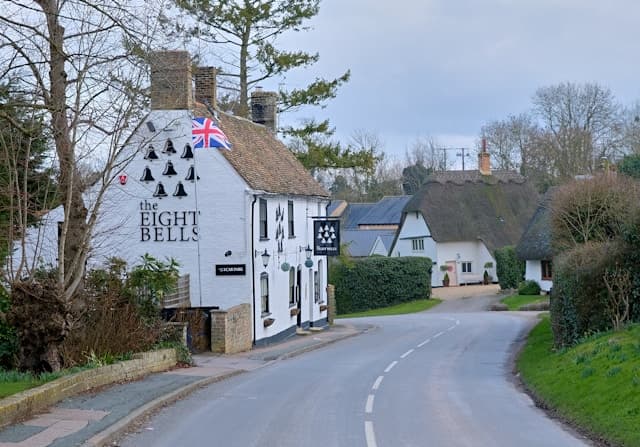
Thatched commercial property insurance for pubs, B&Bs and holiday lets is usually more expensive and more conditional than cover for a standard business premises because insurers see a combination of thatch‑specific fire risk, higher rebuild costs and commercial guest exposure. Owners who prepare detailed information on the building, fire safety and how the business operates are more likely to get competitive, appropriate terms from specialist markets.
Insurers treat thatched commercial buildings as higher risk because a fire in a thatch roof can escalate quickly, often resulting in major or total loss rather than minor damage. When you add alcohol service, commercial kitchens or a steady flow of paying guests, underwriters focus heavily on both ignition sources and evacuation procedures.
Thatched pubs, inns and B&Bs are often older, sometimes listed buildings with non‑standard construction and historic features that must be restored sympathetically after a loss. This pushes up rebuild costs and lengthens claim timescales, which is built into premiums and conditions. Understanding why thatched cottage insurance is expensive helps explain the underlying cost drivers that apply to commercial properties too.
For a thatched pub or inn, insurers will look closely at how you manage both fire risk and late‑night customer activity. Building details include age, any listing status, construction, type and age of thatch, and recent roof or structural works. Kitchen setup covers the type of cooking equipment, extraction systems, cleaning regime for ducting and filters, and whether there are documented shut‑down procedures. Chimneys and stoves require details on the number of flues, use of open fires or solid‑fuel burners, sweeping frequency and who carries it out, plus any flue liners, cowls or spark arrestors. For detailed requirements, see our guide on thatched roof chimney regulations. Trading hours and occupancy details should cover late bar opening, live events, and whether staff live on site above or adjacent to the bar area. Pubs should be ready to show records for chimney sweeping, kitchen duct cleaning, electrical inspections and staff fire‑safety training, as these all influence how underwriters judge the risk.
Thatched B&Bs combine residential use with paying guests, so insurers want a clear picture of sleeping arrangements and escape routes. Layout details should include the number of guest rooms, floors, staircases and whether guests sleep directly under the thatch or in extensions. Fire protection measures include smoke and heat detection (interlinked if possible), emergency lighting, extinguishers, fire blankets and any formal fire‑risk assessment. Guest management covers check‑in procedures, information given on fire exits, and whether the owner or staff sleep on site every night the property is occupied. Many markets will expect a written fire‑risk assessment for guest accommodation and regular testing records for alarms and emergency systems. Clear documentation can open up better options than a basic, non‑specialist business policy.
Thatched holiday lets and self‑catering cottages require insurers to consider frequent guest turnover and less control over how people use heating, cooking and fireplaces. Occupancy pattern details should cover seasonal use, maximum guest numbers and whether bookings are short‑term, weekly or longer. House rules should specify whether solid‑fuel stoves and open fires are allowed, what instructions are given, and how you enforce no‑smoking policies. Changeover and checks should include cleaning and inspection routines between lets, including checks on alarms, extinguishers and obvious fire hazards. Some insurers have dedicated wordings for holiday lets thatched with specific conditions on chimneys, sweeping frequency and the use of stoves or open fires. Using the right wording is crucial so that guest use is properly covered rather than treated as an unapproved commercial activity.
Regardless of whether the building is a pub, B&B or holiday let, owners should focus on commercial‑grade protection rather than adapting a domestic policy. Buildings cover requires an adequate sum insured based on realistic rebuild costs, including thatch, listed features and any outbuildings used for business. Understanding thatched roof costs per square metre helps ensure your sum insured reflects true rebuild values. Business interruption cover should reflect loss‑of‑profits or loss‑of‑rental‑income that reflects how long a thatched commercial property might genuinely take to rebuild after a major loss. Public and products liability limits should be suitable for guest or customer injury claims, particularly important where alcohol, food or overnight stays are involved. Depending on the operation, you may also need employers' liability, contents and stock cover, money, and cover for outdoor areas such as beer gardens or terraces.
Insurers typically apply stricter conditions to thatched commercial risks than to standard businesses, and failing to meet them can jeopardise claims. Chimneys require professional sweeping at specified intervals, with certificates retained and sometimes submitted annually. Electrics need regular fixed‑wire inspections (EICR) and prompt completion of any remedial work flagged as unsatisfactory. Cooking equipment requires documented cleaning of extraction ducts and filters, use of appropriate suppression (for example, wet‑chemical extinguishers) and formal shutdown procedures at close of business. Owners should keep a central file of certificates, reports and service records to share when seeking quotes and at renewal, which also proves due diligence in the event of a claim. If you own a listed property, our Grade II thatched cottage insurance checklist provides a comprehensive guide to preparing documentation.
Because the number of insurers willing to underwrite thatched commercial properties is limited, using a broker who regularly places pubs, B&Bs and holiday lets with thatch can make a major difference. Market access is improved as a specialist is more likely to know which underwriters are comfortable with thatched roofs, guest accommodation and listed buildings combined. Presentation matters: they can help you package your risk information, fire‑safety evidence and risk‑management steps into a submission that answers key underwriting questions up front. Conditions and warranties should be clearly explained by a broker experienced in this niche, so you can understand any chimney, electrics or unoccupancy conditions clearly and decide if they are practical before binding cover.
Ultimately, treating a thatched pub, B&B or holiday let as a specialist commercial risk rather than a slightly unusual home leads to more robust insurance and fewer disputes if something goes wrong. Preparing detailed information, investing in visible fire‑safety measures and choosing an experienced intermediary are the main levers owners control when seeking quotes.
Get a thatched roof insurance quote
For specialist thatched roof insurance and cover options, see our main page.
Get a thatched roof insurance quote