
Thatched Roof Cost Per M2: A Comprehensive UK Pricing Guide
Understand UK thatched roof costs per m²: £60–£200 depending on material, pitch, complexity, insulation, scaffolding, ridge work, and region.
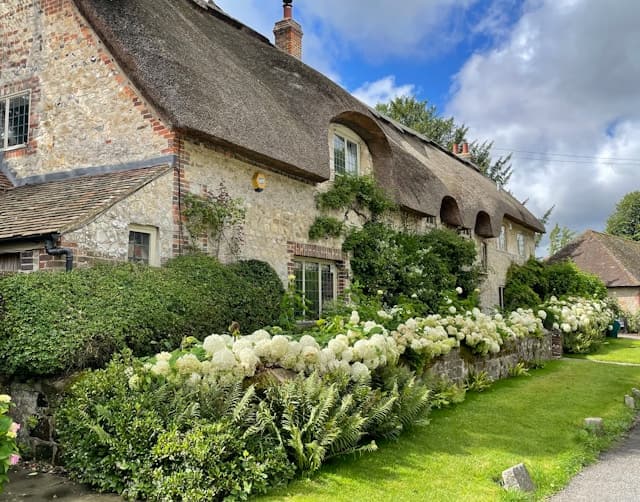
Thatched roofs represent one of the most distinctive and characterful features of traditional British architecture, but they come at a significant investment. Understanding the cost per square metre is essential for homeowners considering this premium roofing option. In the UK, thatched roof installation costs typically range from £60 to £200 per square metre, depending on numerous variables including the type of material selected, roof complexity, and regional location.
For a straightforward thatched roof installation, property owners can expect to pay approximately £95-£115 per square metre for a newly built thatched roof. However, these figures form only the baseline of a much broader spectrum. A newly constructed thatched roof on a 100 square metre roof area typically costs between £8,700 and £11,000. For renovation projects, costs increase to roughly £10,500 to £12,500 for the same area, representing a cost of approximately £115 per square metre.
The most significant cost jump occurs when insulation is incorporated. An insulated thatched roof commands premium pricing of approximately £160 per square metre, with a 100 square metre roof costing between £15,000 and £18,000. For larger properties, these costs scale accordingly, with a 300 square metre roof ranging from £24,500 to £31,500 for a standard installation, or £43,500 to £52,000 when insulation is included.
The choice of thatching material significantly influences the final price per square metre. Thatchers traditionally work with three primary material categories, each with distinct cost implications and durability characteristics. Understanding how long a thatched roof lasts helps you make informed decisions about material selection.
Longstraw represents the most economical option and has been used for centuries in traditional roofing. Longstraw costs between £4-£6 per square foot, making it an accessible choice for budget-conscious homeowners. However, longstraw typically has a shorter lifespan and requires more frequent maintenance than alternative materials.
Combed wheat reed occupies the middle ground, offering improved durability compared to longstraw while remaining more affordable than water reed. This material costs approximately £6-£10 per square foot and provides a good balance between cost-effectiveness and longevity.
Water reed stands as the premium choice and commands the highest price point at £10-£15 per square foot. Despite its cost, water reed is favoured by many property owners because it offers superior durability, often lasting 35-40 years with proper maintenance. Water reed's excellent performance in the UK climate, where moisture management is critical, justifies the premium pricing for many homeowners.
The total cost per square metre encompasses several distinct elements, and understanding this breakdown helps homeowners grasp where their investment is directed.
Material costs themselves form only one portion of the total expense. Raw thatching materials—whether reed, straw, or wheat—represent approximately 20-30% of the overall cost per square metre. These materials must be sourced, transported, and stored properly to maintain their quality.
Labour costs constitute the largest expense component, typically accounting for 50-70% of the total cost per square metre. Thatching is intensively labour-intensive, with every aspect of installation completed entirely by hand using traditional techniques. Skilled thatchers undergo years of apprenticeship and training to master their craft, and their expertise commands premium wages. A single thatcher may spend weeks on a moderate-sized roof, working methodically to ensure waterproofing and visual aesthetics meet professional standards.
Ridge finishing adds further expense. Roof ridges—the pitched peaks where two roof slopes meet—require specialist treatment and finishing. Ridge work costs approximately £75-£100 per metre, and a typical residential property requires 2-3 ridges. This component is included in some quotes but omitted from others, making it essential to verify what each quotation includes.
Scaffolding and access equipment represents another significant cost element often underestimated by homeowners. Thatchers require secure, safe access to work at height, and rental of temporary scaffolding structures can add several thousand pounds to the total project cost. This expense varies considerably depending on roof height, accessibility, and project duration.
Additional materials and fixings, including galvanised sticks, netting, fireproofing treatments, and flashing materials, add several hundred pounds to most projects. Some properties may require specialist treatments or protective measures, further increasing these ancillary costs.
Beyond material and labour choices, several property-specific factors influence the final cost per square metre, often pushing prices significantly above the baseline figures.
Roof complexity represents a major cost driver. Simple rectangular roofs with straightforward pitches cost substantially less per square metre than roofs featuring dormers, valleys, complex junctions, or multiple roof planes. Each additional architectural feature requires specialist work and increased material waste, pushing costs upward.
Roof pitch or angle of inclination directly impacts both labour requirements and roof longevity. Steeper roofs (45-50 degrees) are ideal for thatching and provide the longest lifespan (28-40 years). Shallower pitches require additional layering and more careful waterproofing techniques, increasing costs. Roofs below 25 degrees are considered unsuitable for thatching entirely.
Existing roof condition significantly affects renovation costs. Properties requiring substantial structural repairs, rotten timber replacement, or roof deck reconstruction before thatching can commence will face costs at the upper end of the spectrum. Professional surveys often reveal hidden structural issues that cannot be addressed until the old thatch is removed.
Geographic location influences costs throughout the UK. Properties in remote rural areas may face premium costs due to travel time and logistical challenges for thatchers, assistants, and material suppliers. Conversely, areas with numerous active thatchers may benefit from competitive pricing.
Thatcher availability and expertise varies significantly across regions. Areas with established thatching traditions and multiple skilled practitioners may offer more competitive rates than regions where qualified thatchers must travel considerable distances. Some specialists command premium rates due to reputation and years of experience.
The distinction between renovating an existing thatched roof and installing a completely new one affects pricing significantly. Renovation projects, where a new coat of thatch is applied over existing roof structures, typically cost 20-25% more per square metre than new installations on previously unthatched roofs. This premium reflects the additional work required to assess and sometimes reinforce existing structures, deal with uneven surfaces, and ensure compatibility between old and new materials.
Maintenance and periodic re-thatching add ongoing costs beyond the initial installation. Regular maintenance—including moss and algae treatment, debris removal, and minor repairs—costs approximately £4-£8 per square metre annually. Major renovation work, necessary every 25-40 years depending on material selection and climate exposure, costs £85-£130 per square metre.
Modern building standards and thermal efficiency requirements often necessitate roof insulation, fundamentally changing cost structures. Traditional open-roof constructions, where thatch is tied directly onto wooden laths with air space beneath, cost significantly less but offer minimal insulation value and present fire safety challenges.
Closed roof constructions, incorporating insulation boards or multiplex backing, increase costs by approximately 40-50% but provide superior thermal performance with Rc values of 2.5 or higher. These constructions also dramatically improve fire safety, reducing insurance premiums to levels comparable with tiled roofs. For many properties, the long-term energy savings and insurance reductions justify this investment. Learn more about why thatched cottage insurance is expensive and how fire safety measures can help reduce premiums.
When evaluating thatched roof costs per square metre, homeowners should obtain multiple written quotations detailing exactly what services and materials each price includes. Comparing costs purely on per-square-metre figures without understanding component breakdowns can lead to significant oversights.
Professional structural surveys before committing to any project are invaluable, as hidden damage discovered during construction could substantially increase final costs. Similarly, considering future maintenance requirements and the lifespan of chosen materials helps contextualise the initial investment within a broader financial planning framework.
A thatched roof remains a substantial investment, but for properties where this distinctive feature aligns with architectural character and personal values, the authentic charm and long-term appeal often justify the premium cost compared to conventional roofing alternatives.
Get a thatched roof insurance quote
For specialist thatched roof insurance and cover options, see our main page.
Get a thatched roof insurance quote