
How Long Does a Thatched Roof Last?
With proper installation and maintenance, thatched roofs can last 25–40 years or more. Lifespan depends on material, pitch, climate, and care routines.
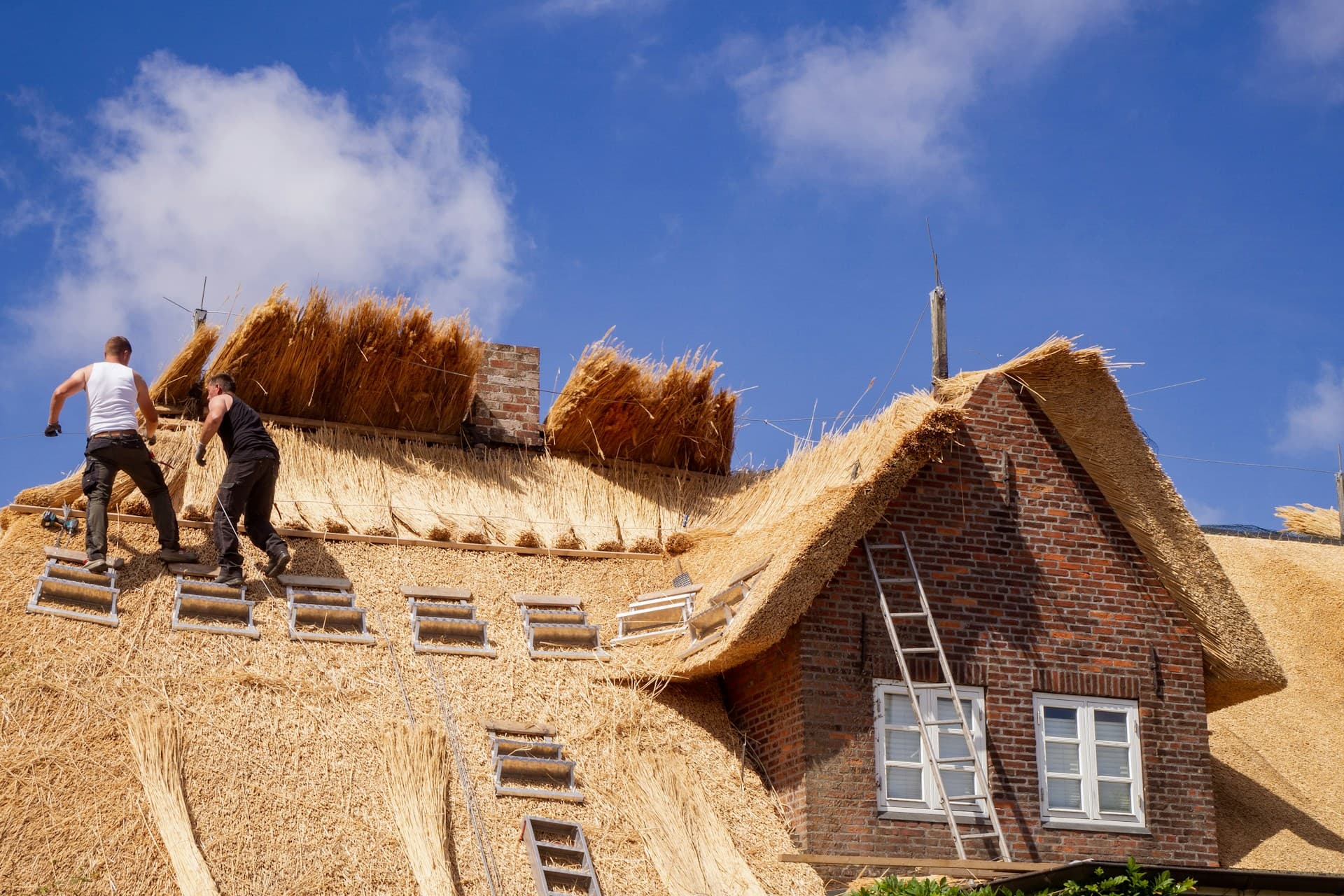
Thatched roofs represent one of Britain's most cherished architectural traditions, gracing cottages, farmhouses and period properties across the country with timeless charm. Yet many property owners grapple with a fundamental question: exactly how long can they expect their thatched roof to last? The answer, fortunately, is encouraging for those willing to invest in proper maintenance. With expert installation and regular upkeep, a thatched roof can provide reliable protection for decades, though the exact lifespan depends on several crucial factors.
The most significant factor determining how long your thatched roof will last is the type of material used in its construction. The UK's three main thatching materials each offer distinct longevity characteristics.
Water Reed Thatch represents the premium option for long-term durability. This bundled wetland reed material can last between 25 to 40 years or even longer when properly maintained. In some cases with exceptional care and favourable conditions, water reed roofs have been known to exceed 40 years. This superior longevity comes from the material's natural density and resistance to decay, making it the choice for homeowners seeking maximum durability despite its higher initial cost.
Combed Wheat Reed offers a middle ground in terms of both cost and longevity. This cereal straw, which has been processed through a comber but not a threshing drum, typically lasts between 25 to 35 years. It provides a good balance between affordability and durability, making it a popular choice for many UK properties.
Longstraw Thatch, made from threshed wheat straw with its characteristic shaggy appearance, has the shortest lifespan of the three main materials. You can typically expect longstraw to last between 15 to 25 years. Whilst this shorter timeframe might initially seem less attractive, longstraw remains a viable option for secondary buildings or properties where cost considerations are paramount.
An often-overlooked aspect of thatched roof maintenance is the ridge, which requires more frequent replacement regardless of the main thatch material. The roof ridge, sitting at the highest point of your roof, bears the brunt of all weather conditions and typically needs replacing every 10 to 15 years. This is a critical maintenance task, as the ridge essentially holds the rest of your thatch in place. Without maintaining the ridge in good condition, the structural integrity of the entire roof becomes compromised.
The skill and expertise of your thatcher profoundly influences how long your roof will last. Professional thatchers ensure that thatch layers are tightly packed and densely compressed, creating a structure that can effectively resist water penetration whilst maximising durability. Poor installation, by contrast, can result in inadequate compaction, creating pathways for moisture to penetrate deeper into the thatch layers and accelerating deterioration.
When properly installed by a qualified master thatcher, water typically only penetrates about 50 millimetres into the thatch, representing roughly 20 percent of the total depth. This shallow water penetration is key to longevity because the dry base layers remain protected. This principle also explains why many experienced thatchers can perform partial remedial work by stripping away the top layer every 10 years or so whilst leaving the lower layers intact, thereby extending the overall roof life and reducing long-term costs.
Where your property is located plays a surprising but significant role in determining your thatched roof's lifespan. Climate and environmental conditions can either extend or substantially reduce the years you get from your investment.
Properties in areas with high rainfall, humidity or excessive moisture exposure—particularly common in Wales and the West of England—see notably reduced thatch lifespans. Moisture encourages fungal growth, rot and accelerated decomposition of the organic materials. Coastal properties face particular challenges, with salt-laden winds and high humidity potentially reducing the lifespan of even premium water reed thatch by 10 years or more compared to inland properties.
Trees and vegetation surrounding your property can significantly impact longevity. Shade from nearby trees promotes moss and lichen growth whilst preventing the thatch from drying thoroughly in sun and wind. Falling leaves and organic debris accumulate on the roof surface, trapping moisture and creating ideal conditions for rot and fungal growth. Overhanging branches also provide convenient pathways for birds and vermin to access the roof, potentially causing damage.
The pitch or slope of your roof also matters considerably. Steeper roof angles (typically 45 to 50 degrees) allow water to run off quickly and efficiently, whereas shallower pitched sections and areas beneath chimneys allow moisture to accumulate, accelerating wear and potential water ingress. Properties with shallow pitched sections may see noticeably shorter thatch lifespans.
Achieving the upper end of your thatched roof's potential lifespan requires commitment to a consistent maintenance programme. The good news is that preventive maintenance is considerably less expensive than full roof replacement and yields substantial returns on investment.
Regular Professional Inspections form the foundation of effective thatched roof care. Experts recommend inspections at least twice yearly, with increased frequency as your roof ages. Professional thatchers can identify early signs of deterioration such as bald patches, exposed areas, weathered ridges, loose thatch, and signs of rot or mould before they escalate into serious problems.
Debris Removal and Cleaning should be performed at least annually. Professional cleaning removes leaves, branches, moss, algae and dirt using specialised rakes designed specifically for thatched roofs. This process prevents moisture retention and removes the organic matter that promotes fungal growth. Additionally, trimming back trees and bushes growing near the thatch allows the roof to dry quickly in sun and wind, preventing rot.
Ridge Maintenance and Replacement is arguably the single most important maintenance task. The ridge requires replacement every 10 to 15 years due to exposure to weather and the decay of wooden fixings that hold it in place. Keeping a close eye on the ridge—looking for raised netting or exposed fixings—and addressing wear promptly prevents larger structural problems from developing.
Specialist Treatments can further extend lifespan. Some property owners apply thatch sealers, which can extend roof life by approximately two years by locking out moisture. These sealers also help prevent bacterial and fungal growth whilst keeping the thatch easier to clean.
Practical Prevention measures also matter. Avoid walking on the thatch, as this causes damage. Install appropriate measures to deter birds and vermin, which can cause significant damage by picking at and undermining the thatch structure.
Many property owners ask whether it's truly possible for a thatched roof to last 60 years as some sources suggest. The honest answer is that this represents an optimistic scenario. A properly installed thatched roof with excellent maintenance in a favourable climate can approach this timeframe, but most property owners can realistically expect their thatch to provide reliable service for 25 to 40 years depending on material type and location.
Rather than thinking of your thatched roof as having a single expiration date, it's more helpful to understand it as a gradually evolving structure. Over time, remedial works become necessary: ridge replacement every 10-15 years, occasional patching, and eventually re-coating of the top layer. With proper maintenance, your roof can gradually transition through these stages whilst maintaining its protective function. Only when the underlying structure becomes too damaged to support further patching does full replacement become necessary.
Because thatched roofs require specialist knowledge and care, insurance considerations differ from standard tiled or slated roofs. Many standard homeowners' insurance policies either exclude thatched roofs or require specialist coverage. Insurers typically expect property owners to maintain regular professional inspections and follow expert maintenance recommendations. This makes investment in proper maintenance not just wise stewardship of your property but often a requirement for maintaining adequate insurance coverage. Understanding why thatched cottage insurance costs more helps explain the importance of proper maintenance.
A thatched roof can indeed last for many decades when properly installed and conscientiously maintained. Whether your thatch endures for 20 years or 40 years largely depends on your choices regarding material type, professional installation, geographic location, and—most importantly—your commitment to ongoing maintenance. By understanding these factors and investing in regular expert care, you can ensure that your thatched roof continues to provide both protection and aesthetic appeal for generations to come. The key lies not in hoping your roof lasts long, but in taking active steps to ensure it does.
Get a thatched roof insurance quote
For specialist thatched roof insurance and cover options, see our main page.
Get a thatched roof insurance quote