
Thatched Roof Fire Risk: What Insurers Look For Before Offering Cover
Thatched roof fire risk is one of the main reasons insurance for these properties is more expensive and harder to obtain than for standard homes. Insurers focus less on how pretty the cottage looks and more on how likely it is to suffer a serious fire and how severe that loss would be.
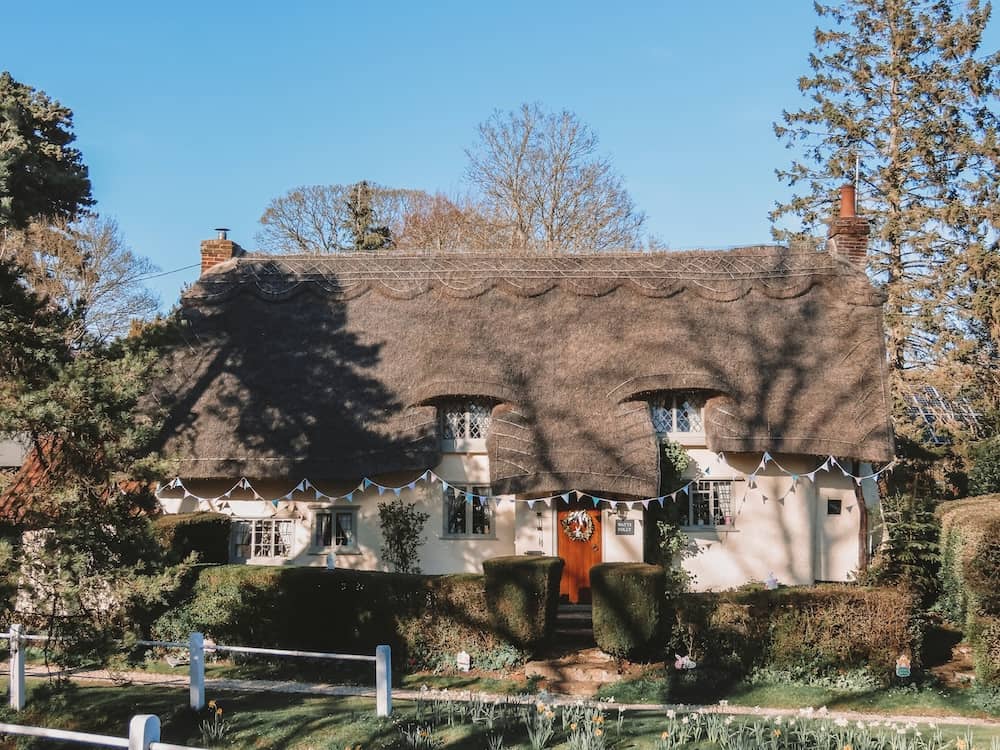
Thatched roof fire risk is one of the main reasons insurance for these properties is more expensive and harder to obtain than for standard homes. Insurers focus less on how pretty the cottage looks and more on how likely it is to suffer a serious fire and how severe that loss would be.
Thatched roofs are made of dry, combustible materials, so if a fire takes hold it can spread rapidly through the roof structure and into the rest of the property. Unlike a tiled roof, a thatched roof can be very difficult for the fire service to extinguish before extensive damage occurs.
From an insurer's perspective, that means a higher chance of a total‑loss claim and a long, costly rebuild using specialist trades. This combination of higher probability and higher severity is exactly what pushes premiums up and makes underwriters cautious about which thatched homes they will accept.
The first thing insurers usually want to understand is how your heating system interacts with the thatch. Most thatch‑related fires are thought to start from defective chimneys, poorly installed stoves or hot flue gases igniting the thatch.
Key points insurers look at include:
Chimney condition: They want evidence that the chimney is structurally sound, not cracked, leaning or deteriorating, and that mortar joints are intact. Any gaps can allow heat or sparks to escape into the thatch.
Lining and construction: A properly lined flue is far safer than an old, unlined stack. Insurers are more comfortable where modern liners are installed to current standards.
Woodburner or stove installation: Underwriters favour professionally installed stoves with adequate clearances between the flue and the thatch, heat‑shielding where required, and compliance with building regulations and manufacturer guidelines.
Sweep frequency: Regular sweeping (often at least once a year, sometimes more for heavy use) is usually expected. Many insurers like to see written confirmation from a qualified sweep, not just a verbal assurance.
If an insurer feels your chimney and stove setup is poorly installed, rarely swept or inadequately documented, they may decline cover altogether or offer terms with higher premiums and strict conditions. For detailed requirements, see our guide on thatched roof chimney regulations.
Electrical faults are another major source of domestic fires, and they are particularly worrying in thatched properties because of the combustible roof. Insurers therefore tend to ask about the age and condition of the wiring and whether recent electrical inspections have been carried out.
They generally prefer:
A relatively modern consumer unit with residual‑current devices (RCDs) and clear labelling.
Evidence of a periodic inspection by a qualified electrician (for example, an EICR) within the last few years.
No obvious DIY alterations or overloaded circuits, such as multiple high‑load appliances running from extension leads in loft or roof spaces.
If wiring is very old or there is no inspection history, an underwriter may insist on an electrical survey or require upgrades as a condition of cover. Demonstrating that you have proactively updated wiring can significantly improve how they view the property's fire risk.
Insurers do not just look at the fact that the roof is thatch; they also consider how it was built and how it is maintained. A well‑constructed, well‑maintained roof with sensible fire‑prevention measures is far less concerning than a neglected one.
They typically consider:
Type and thickness of thatch: The material used (for example, water reed or wheat straw), how thick the thatch is, and whether it has been over‑layered multiple times without stripping back. Very deep, aged thatch can hold more heat and embers.
Age and maintenance history: A roof that has been recently re‑thatched or re‑ridged by a reputable thatcher and is inspected regularly will be seen more favourably. Insurers like to know when the roof was last overhauled and by whom.
Fire barriers and sprays: Some properties incorporate fire‑resistant boards beneath the thatch or use approved fire‑retardant treatments. While these do not make the roof fire‑proof, they can slow spread and may be viewed as positive risk‑management.
Obvious defects: Sagging areas, visible holes, heavy moss, bird damage or poorly maintained ridges suggest higher risk and poorer upkeep, which can make an insurer wary.
Providing photos, reports from a thatcher and details of any fire‑retardant systems helps underwriters assess the roof more accurately and may support better terms. Understanding how long a thatched roof lasts helps you plan maintenance schedules that keep your roof in good condition.
Insurers also think about how likely it is that an external ignition source could set the roof alight. They often look at:
Nearby trees and overhanging branches: Overhanging branches can drop debris onto the thatch and increase the chance of fire spread from a tree struck by lightning or affected by an external blaze.
Adjacent buildings and chimneys: If a neighbouring property has a high chimney or uses solid‑fuel appliances, insurers may consider whether sparks or embers could reach your roof.
Barbecues, firepits and outside flues: Regular use of open flames or flues close to the thatched section of roof is seen as a risk. Many policies explicitly restrict or prohibit some of these activities near the thatch.
Keeping combustible garden features away from the building, managing trees and being able to explain how you use outside heat sources all contribute to a better fire‑risk profile.
The best‑protected thatched property still carries risk, so insurers consider what will happen if a fire does start. A key question is how quickly and effectively the fire service could respond.
Factors they care about include:
Distance to the nearest fire station and typical response times in your area.
Road access for fire engines: narrow lanes, tight turns, low bridges or limited parking can slow response.
Water supplies: availability of hydrants, ponds or other water sources that can be used in an emergency.
You cannot change your location, but you can provide clear information about access and any local mitigation (for example, clearly marked access points or liaison with local fire services), which reassures insurers that a fire is less likely to become completely uncontrollable.
Even if your property is well managed, underwriters need evidence rather than promises. When deciding whether to offer cover, they will usually want as complete a picture as possible of your fire‑risk controls. Commonly helpful documents include:
Recent chimney‑sweep certificates and, where relevant, installation paperwork for stoves or liners.
Electrical inspection reports and evidence of any remedial work carried out.
Roof inspection or thatcher reports, plus dates of major works such as re‑thatching or re‑ridging.
Photographs of the exterior, roof, chimney and key risk areas (such as around stoves and flues).
Having this information ready when you approach an insurer or broker makes it easier for them to say "yes" and can avoid risk‑loading your premium because of uncertainty. If you own a listed property, our Grade II thatched cottage insurance checklist provides guidance on preparing documentation that helps secure better terms.
If you want to reduce perceived fire risk and make insurers more comfortable offering cover, there are several practical steps you can take:
Commission a professional review of your chimney, stove and flue setup and act on any safety recommendations.
Arrange a periodic electrical inspection and complete necessary upgrades.
Work with an experienced thatcher to keep the roof in good repair and consider appropriate fire‑retardant measures.
Move barbecues, firepits and similar items well away from the thatch and avoid sky lanterns or fireworks near the property.
Keep a simple "fire‑risk file" with certificates, reports and photos you can share with prospective insurers.
By tackling these areas, you do two things at once: you materially lower the chance of a serious fire, and you give insurers the confidence that the risk is being actively managed. That combination is exactly what underwriters look for before agreeing to cover a thatched roof property, and it is often what separates a declined application from a sensibly priced, long‑term policy. Understanding why thatched cottage insurance is expensive helps explain the underlying risk factors that insurers consider, and our guide on ways to reduce thatched cottage insurance costs provides practical steps you can take to improve your risk profile.
Get a thatched roof insurance quote
For specialist thatched roof insurance and cover options, see our main page.
Get a thatched roof insurance quote