
Insuring a Renovated or Re-Thatched Roof: What to Tell Your Insurer
When the roof is one of the most expensive and high‑risk elements of a thatched home, the details you share about renovations can make the difference between smooth cover and awkward disputes at claim time.
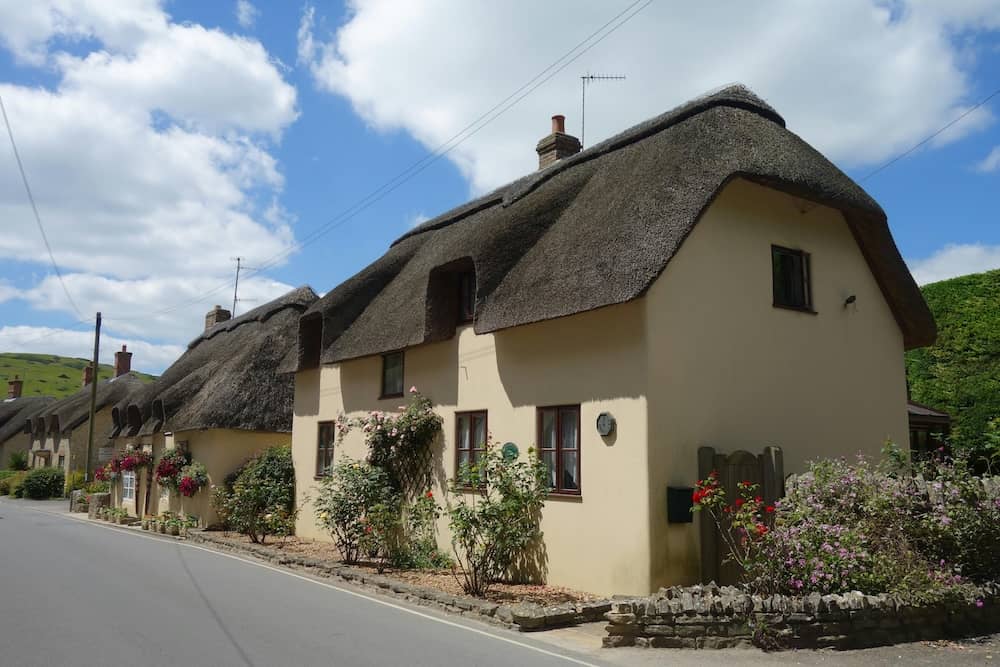
Insuring a renovated or re‑thatched roof is less about ticking a box and more about giving your insurer a clear, honest picture of what has changed at your property. When the roof is one of the most expensive and high‑risk elements of a thatched home, the details you share can make the difference between smooth cover and awkward disputes at claim time.
Any major work to a thatched roof changes the risk profile of your home. A newly re‑thatched or extensively repaired roof may lower some risks (for example, leaks and structural issues), but it can also introduce new ones if the work is not done to an appropriate standard. Insurers know that mistakes with materials, thickness, fire barriers or junctions around chimneys can all influence how a future fire or storm behaves.
Because of this, insurers treat re‑thatching and significant renovation as "material changes" that need to be disclosed, not minor maintenance you can quietly ignore. Failing to have that conversation with them can cause problems later, even if the work itself looks like an upgrade from your point of view.
Ideally, you should talk to your insurer or broker before any major roof work begins. This gives them a chance to confirm conditions and, if necessary, adjust cover so there are no surprises. Useful information to share includes:
Scope of the work: Is it a full re‑thatch, strip and re‑ridge, partial repair, or adding a new thatched section (for example over an extension)?
Who is doing it: The name and credentials of the thatcher or roofing contractor, especially if they specialise in thatched properties or belong to a recognised trade body.
Timescale and access: When the work will happen, how long scaffolding will be up, and whether the property will be occupied or empty during the project.
Any design changes: Changes to roof height, pitch, chimney configuration, flue routes, or the introduction/removal of roof windows and vents.
Some insurers apply specific terms while work is underway, such as additional fire precautions, restrictions on hot work, or temporarily altered excesses. Having those spelled out in advance protects both you and them.
Once the work is complete, your insurer will care about exactly what has changed, not just the fact that "it's new now." At this stage, it helps to provide:
Date of completion: The month and year the roof works were finished.
Type of thatch and thickness: For example, water reed, combed wheat reed or long straw, plus approximate depth and any layering information.
Fire‑protection measures: Fire‑resistant boards or barriers under the thatch, fire‑retardant sprays used, and any upgraded smoke/heat detection installed in roof spaces.
Chimney and stove changes: Any alterations to flues, cowls, liners or stove locations made at the same time.
Backing this up with a short report or invoice from your thatcher and a set of clear photos (roof, ridges, chimneys and junctions) makes underwriting decisions easier and can help you argue for better terms.
Re‑thatching or substantial roof renovation can change the rebuild cost of your home, which is the basis for your buildings sum insured. A high‑quality, more expensive roof may push that figure up; on the other hand, clarifying the construction can avoid guesswork and underinsurance.
You should:
Ask your thatcher or surveyor if the works significantly alter the estimated rebuild cost and, if so, by roughly how much.
Consider commissioning an updated rebuild assessment if the project is part of a wider renovation or extension.
Tell your insurer the new estimated rebuild cost, not just the cost of the work you have carried out.
Keeping your sum insured aligned with a realistic rebuild figure is crucial in thatched properties, where underinsurance can lead to "average" being applied and claims payouts being reduced. Understanding thatched roof costs per square metre helps ensure your rebuild valuation is accurate.
During roof works, the property's risk profile can actually increase. Open roofs, scaffolding, trades on site and potential hot‑works all change the picture from an insurer's point of view. Important points to clarify with them include:
Fire precautions: Whether contractors will use blowtorches or other hot tools and what controls are in place (fire extinguishers, fire watches, end‑of‑day checks).
Security: How the property will be secured when scaffolding provides easier access to upper floors, and whether alarms remain active.
Occupancy: If you will be living elsewhere during major works, unoccupancy conditions (heating, water, inspections) may apply.
Some insurers are comfortable continuing full cover with certain conditions; others may impose endorsements or require confirmation from the contractor about safety measures. The important thing is that they are aware and have formally agreed the arrangement.
Roof work is often carried out alongside upgrades or changes to chimneys and woodburners. Because solid‑fuel appliances are a major driver of thatched fire risk, you should be explicit with your insurer about:
New or removed stoves: Whether you are installing a woodburner for the first time, changing the model, or reverting to another heating method.
Flue and liner changes: New liners, altered routes, different cowls or terminations, and clearances relative to the thatch.
Compliance and certification: HETAS (or equivalent) certificates, building‑control sign‑off and any recommendations made by the installer.
Insurers often attach specific conditions to chimneys and stoves, including sweeping frequency and fuel type. Ensuring your new setup meets those conditions – and telling them about it – reduces the risk of arguments if a later fire claim is linked to the heating system. For detailed requirements, see our guides on thatched roof chimney regulations and woodburners, chimneys and thatched roof insurance rules.
A strong paper (and photo) trail is one of the most effective ways to keep your insurer onside and speed up future claims. After a re‑thatch or major roof renovation, keep:
Contracts and invoices from the thatcher or roofing contractor, showing the work done and materials used.
Any reports or certificates, particularly where fire‑resistant barriers or specialist systems are installed.
Before‑and‑after photographs, ideally from several angles, plus close‑ups of ridges, chimneys and junctions.
Store these alongside your usual thatched‑property documents (chimney‑sweep certificates, electrical inspection reports, prior surveys), and let your insurer know they are available if underwriters want to see them.
Choosing not to update your insurer might feel harmless if you see the work as an improvement, but from a policy perspective it is risky. Insurers usually reserve the right to review or refuse claims where:
Material changes were not disclosed and would have affected terms or pricing.
Work was carried out in a way that conflicts with specific policy conditions or risk‑management expectations.
In a serious event like a thatch fire, investigators will look at the roof structure and recent work. If they discover undisclosed changes or non‑compliant installations, you could face reduced payouts, additional excesses or, in the worst case, a refused claim. Understanding common reasons insurers refuse thatched cottage claims helps you avoid these pitfalls.
Handled properly, a renovated or re‑thatched roof can actually make your risk more attractive to insurers. You can use the project to:
Demonstrate proactive maintenance and investment in the property rather than neglect.
Show that you have modernised fire safety (better barriers, detection, safer chimneys and flues).
Support a realistic rebuild valuation rather than guesswork, which underwriters generally prefer.
The key is straightforward: tell your insurer what you are doing, give them the right level of detail, and keep the documentation to prove it. That way, your new or improved roof becomes a strength of your thatched‑home insurance story, not a hidden complication waiting to cause problems when you need the policy most. For more guidance, see what thatched roof insurance covers and excludes and ways to reduce thatched cottage insurance costs.
Get a thatched roof insurance quote
For specialist thatched roof insurance and cover options, see our main page.
Get a thatched roof insurance quote