
Thatched Roof Insurance in High Flood-Risk Areas: Is Cover Still Possible?
Thatched roof insurance is still possible in many high flood‑risk areas, but it becomes more specialist, more conditional and often more expensive. The challenge is that you are combining two "non‑standard" risks in one property: a thatched roof and a problematic flood postcode.
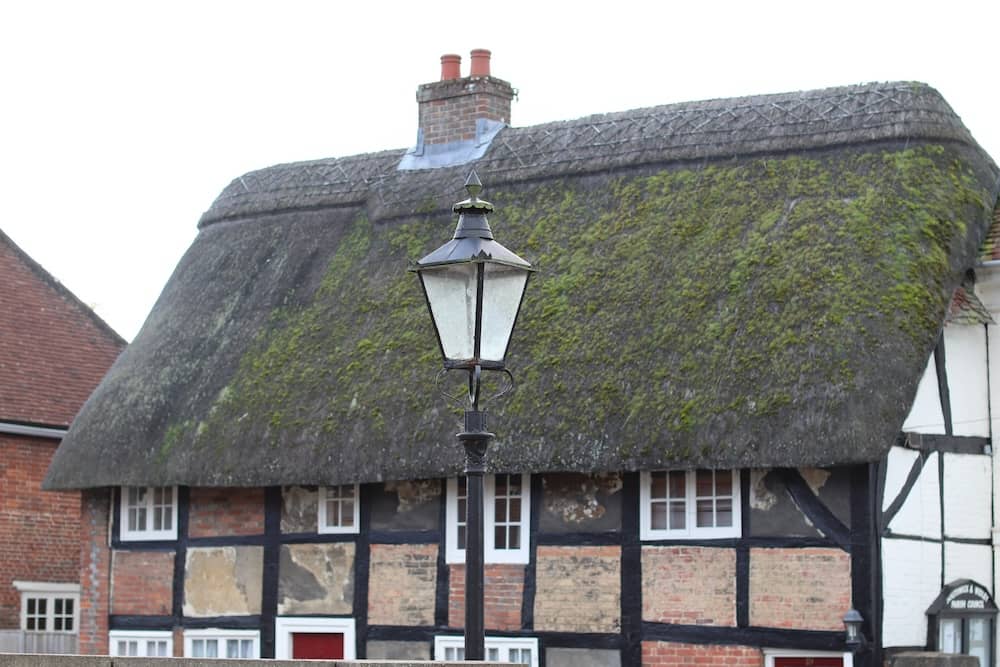
Thatched roof insurance is still possible in many high flood‑risk areas, but it becomes more specialist, more conditional and often more expensive. The challenge is that you are combining two "non‑standard" risks in one property: a thatched roof and a problematic flood postcode.
Insurers already regard thatched cottages as higher‑risk because of fire exposure and the specialist cost of rebuilding. When you add a medium or high flood‑risk location, the overall chance of a large claim rises again, making some mainstream insurers unwilling to quote at all.
Flood‑risk data is now highly granular, with underwriters able to see not just the town or village but sometimes the individual street or property's likelihood and severity of flooding. If that data suggests a history of events or a significant chance of future floods, they may restrict cover, increase premiums or impose high excesses for flood‑related claims.
When you request cover, the insurer will typically check:
Local flood‑risk maps and models for rivers, surface water and coastal flooding.
Property‑level factors such as elevation, distance to nearby watercourses and any known historic flood events.
Construction details that affect damage patterns, such as traditional floors, low cellars, or vulnerable electrics and services.
Insurers may ask you specific questions about previous flood incidents, how high water came inside the house (if at all), and what remedial or resilience measures have been put in place since. Clear, accurate answers here are essential for valid cover.
For many UK homes built before a certain date, the government‑backed Flood Re scheme can help keep flood insurance available and more affordable through participating insurers. However, eligibility depends on factors such as:
The property's build date and council tax band.
Whether it is your main residence rather than a second home or holiday let.
The type of policy you need (residential vs commercial).
Thatched cottages can sometimes benefit from this arrangement if they meet the criteria, even when the property is in a high flood‑risk area. The key point is that Flood Re support generally applies to the flood element of the premium, not to the additional cost of insuring the thatched roof itself.
Even with schemes and specialist markets, there are situations where insurers may decline thatched properties in high flood‑risk zones. Common red flags include:
Repeated serious flood events with extensive past claims on the property.
Ongoing, unmanaged flood exposure where no protective measures have been taken.
Very high combined risk when fire, flood, access difficulties and other factors stack together.
If multiple insurers have already paid out large flood claims in the area, they may collectively tighten their appetite, leaving only a handful of specialists willing to look at the risk, often at a high price and with significant excesses.
Homeowners cannot move their property out of a floodplain, but they can demonstrate active risk management. That helps underwriters differentiate between two superficially similar high‑risk postcodes. Steps that can support better terms include:
Installing flood doors, airbrick covers and non‑return valves on drains.
Raising electrical sockets, boiler systems and key services above likely flood levels.
Using more resilient materials at ground level (for example, tiled rather than carpeted floors, water‑resistant plaster).
Having a clear personal flood plan, including how you protect contents and important documents.
When you can show photos, invoices or survey recommendations for these measures, it signals to insurers that you are managing the risk rather than simply living with it.
With a thatched cottage in a high‑risk zone, transparency is critical. You should be prepared to tell prospective insurers:
Whether the property has flooded before, when, and to what depth.
What has changed since then (for example, local flood defences, property‑level improvements, revised drainage).
How you use the property – main home, holiday home, or holiday let – as this affects both flood and thatched‑roof appetite.
It is better to declare even older or minor incidents than to leave them out and risk accusations of non‑disclosure later. In flood‑related claims, insurers will often look for historic reports or local records, so undisclosed events can easily come to light. Understanding common reasons insurers refuse thatched cottage claims helps you avoid disclosure issues.
Where cover is offered, it often comes with a tailored structure rather than a standard off‑the‑shelf policy. For example:
A higher flood excess, sometimes several thousand pounds, while keeping more normal excesses for fire and other perils.
Conditions requiring you to maintain specific flood‑resilience measures in working order.
Clauses about notifying the insurer if local flood defences are altered or removed, or if you change the way the property is used.
These provisions allow insurers to continue providing the crucial fire and rebuild cover for your thatched roof while managing their exposure to repeated flood losses. Understanding what thatched roof insurance covers and excludes helps you know what to expect from your policy.
Trying to arrange this sort of cover via generic comparison sites is usually frustrating. Thatched cottages in high flood‑risk areas sit firmly in the non‑standard category, where manual underwriting and niche products dominate.
Specialist brokers who deal regularly with thatched properties and flood‑exposed homes can:
Present a detailed risk profile with the kind of information underwriters want to see.
Access schemes or insurers not visible on mainstream price‑comparison tools.
Help you adjust sums insured, excesses and resilience measures to reach a workable balance between cost and protection.
They also act as a buffer in difficult renewal years, advocating for the property and helping you understand any changes in terms or pricing.
For owners of thatched cottages in high flood‑risk areas, insurance is only one piece of the resilience puzzle. The most robust approach combines:
Strong fire management: safe chimneys and stoves, regular inspections, smoke and heat detection, and documented maintenance.
Thoughtful flood resilience: property‑level defences, smart internal layouts, and a clear plan for moving valuables and critical items.
Honest, regular dialogue with insurers and brokers: ensuring they are aware of changes and improvements, and that your policy reflects the current reality on the ground.
In many cases, cover is still possible—even in challenging postcodes—provided you are willing to engage with specialists, accept a realistic premium and excess, and invest in both fire and flood risk‑reduction measures. That combination helps keep your thatched cottage both insurable and genuinely safer, so that if the worst happens, your policy is ready to respond rather than tied up in avoidable disputes. For guidance on managing costs, see how much thatched roof insurance costs in 2026 and ways to reduce thatched cottage insurance costs.
Get a thatched roof insurance quote
For specialist thatched roof insurance and cover options, see our main page.
Get a thatched roof insurance quote